Why is your hedge turning brown, and what should you do first?
Brown growth does not always mean your hedge is dead. First, look at the hedge type, where the browning starts and whether live green growth remains nearby. Stressed growth can recover, but dead brown wood will not turn green again, especially on leylandii and many conifers.
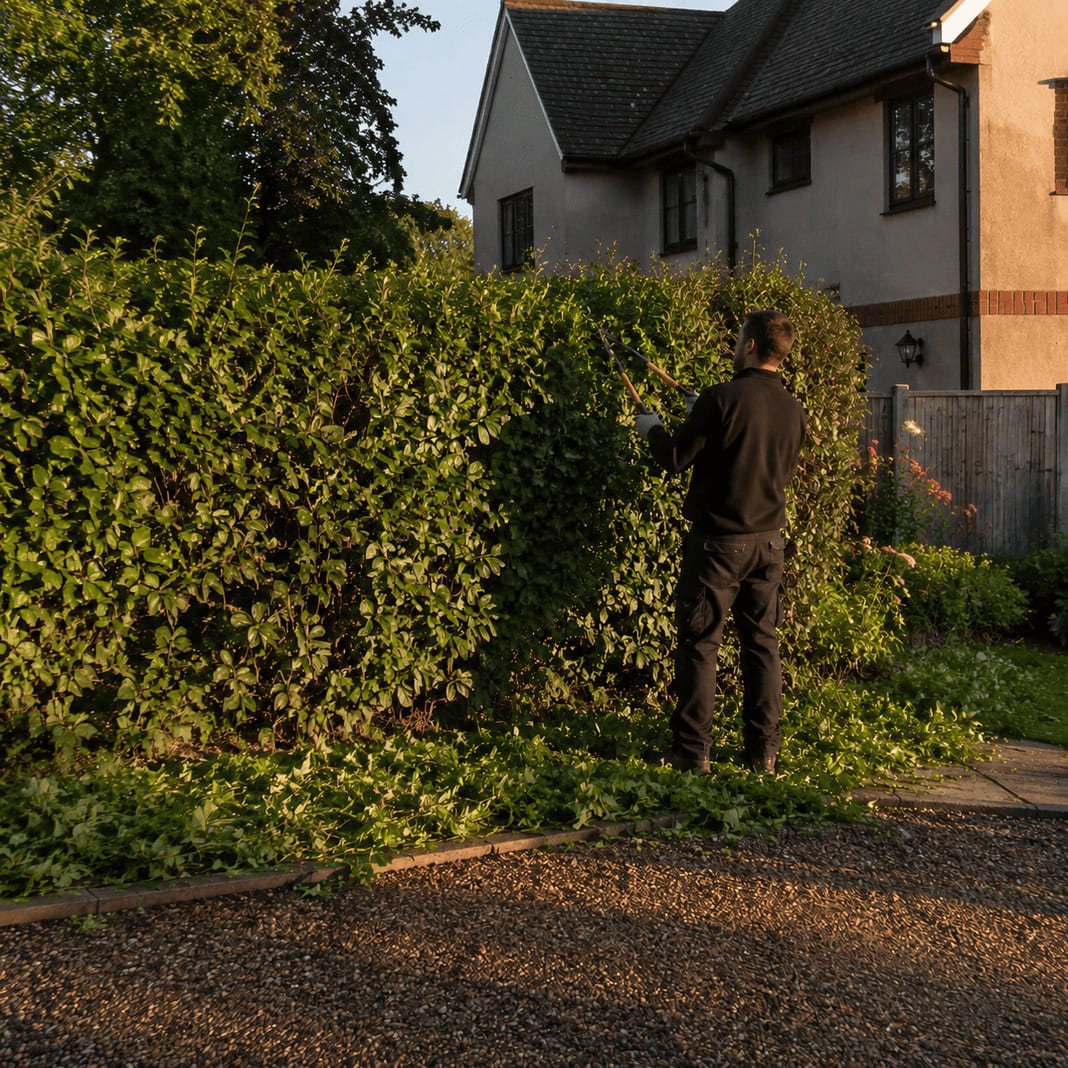
Brown does not always mean dead
A brown hedge needs checking before cutting. Brown tips, bare patches and whole dying sections each point to a different problem, so the pattern matters more than the colour alone.
Privet, laurel and beech can sometimes look poor after stress and still have growth to work with. Leylandii and many conifer hedges are less forgiving, because the green outer layer hides older, leafless wood inside the hedge. Once that older wood is exposed, it may stay bare.
Royal Horticultural Society guidance is clear that, apart from yew, most conifers have little or no ability to regrow from old wood. In plain English, the brown middle of a leylandii hedge is not spare green growth waiting to come back.
Watering, feeding and waiting can support a stressed hedge, but they cannot revive dead wood. Before you trim, cut out or replace anything, we need to work out whether the hedge is stressed, damaged, diseased or already past the point where shaping will fix it.
The visible clues point to the cause
A hedge that looked fine before trimming but now has brown faces gives you a different clue from a hedge with one plant dying in the middle of a healthy row. Start with what you can see from the ground.
- Brown after cutting. Recent trimming can expose the older, bare centre of a conifer hedge. This is common where leylandii has been cut too hard on the sides.
- Random brown patches in a conifer. Brown patches in leyland cypress, Lawson cypress and western red cedar can come from insects, disease, trimming, drought, frost, waterlogging or cold drying winds. Cypress aphid, a sap-feeding insect also called Cinara cupressivora, is one cause we keep in mind.
- One whole plant failing. A single brown plant in a hedge line often points us toward the roots, soil or drainage around that plant. Cutting the top will not solve a problem below ground.
- Box going brown and bare. Box blight causes brown leaves, bare patches and dieback. Black streaks on young stems are another clue. Box caterpillar looks different, with cobweb-like webbing, green and black caterpillars, and curved chewing marks on leaves.
- Green growth around the damage. Live green shoots near a bare area give the hedge something to work with. A large brown face with no green nearby gives us fewer options.
Conifers need a special mention because they catch many homeowners out. A leylandii hedge can look thick from the outside, yet the inner section can be brown and bare. If cutting removes too much of the green surface, the hedge may be left with a flat brown face that does not knit back together well.
Box hedges need a different eye. Bare stems with leaf fall and black streaking point one way, while webbing and chewing point another. The right response depends on that difference, so we do not treat every brown box hedge as the same job.
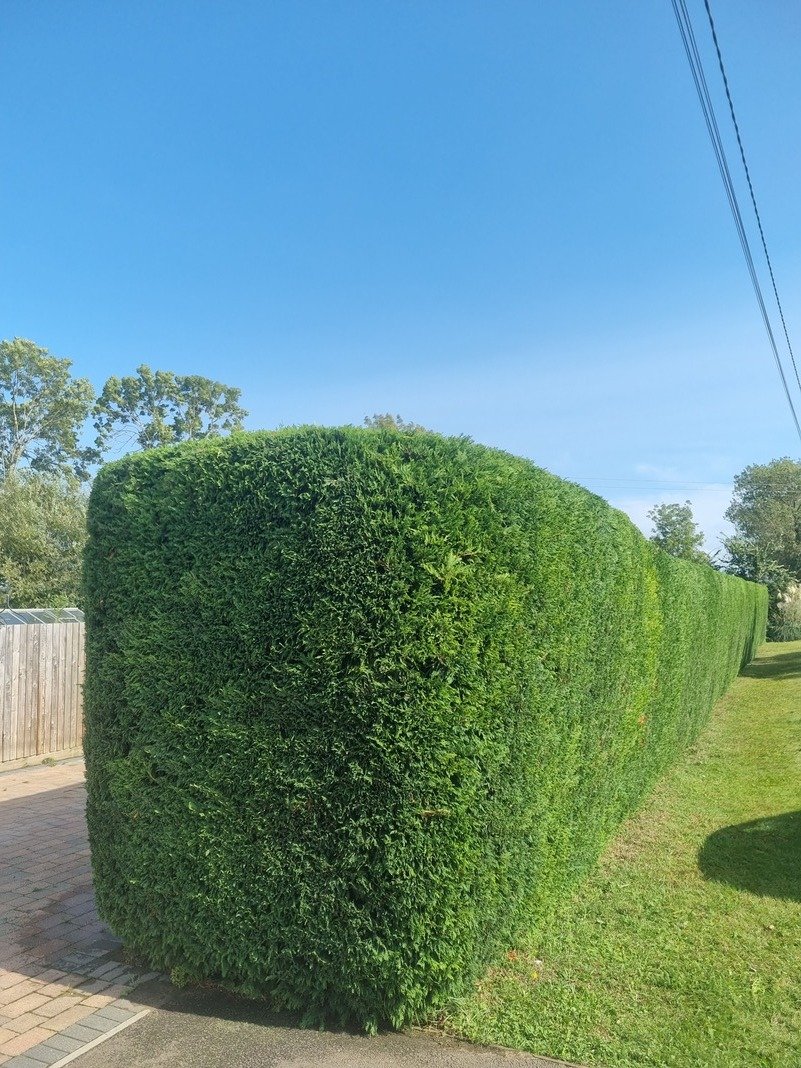
We trim and shape hedges of every type and clear away the clippings. Ask us for a free quote.
Get a Free QuoteCutting can make a brown hedge worse
Hard cutting can turn a small hedge problem into a long-lasting bare patch. The common mistake is to cut back into the brown centre of a conifer because the outside looks uneven.
Once the green layer has gone, there may be little new growth left on that face. Over-enthusiastic trimming can leave bare patches on conifers, and cutting during hot, dry weather or after a long dry spell can add more stress. Autumn cutting can also be a poor choice for some struggling conifers.
Careful trimming still has its place. We can often tidy the line, reduce ragged growth and protect the shape without stripping the hedge back too far. Where a small bare patch has healthy shoots nearby, those shoots can sometimes be guided across the gap, although serious cases can take years and may never look fully green again.
For privacy hedges, that judgement matters. A hedge can look tidier after a light shape, but a hard reduction can leave you with a gap you notice every day.
Check where the browning starts before you cut anything. Brown tips, patchy sides and a bare centre each point to a different cause, especially on leylandii and other conifers.

Safe things to try before you decide
When you are not sure what caused the browning, the safest first move is to stop making big changes. A stressed hedge needs fewer shocks, not a rushed cut with the hope that it will force new growth.
Check the soil before adding more water. Dry soil around the roots points one way, but wet, heavy ground points another. Overwatering can leave roots struggling, so more water is not always the answer.
Low-level tidying is reasonable where you can do it safely. Remove loose dead bits, clear trapped debris and leave live green growth alone. Sharp, clean hand tools are enough for small pieces within easy reach.
Avoid ladder work, large reductions and cutting tall hedge faces from awkward positions. Height, uneven ground and heavy trimmers are a poor mix in a garden, especially when the hedge already needs careful judgement.
After that, watch what the hedge does. Fresh green growth gives us a sign that recovery is possible. No change, spreading browning or a growing privacy gap means the next decision is whether recovery is still realistic.
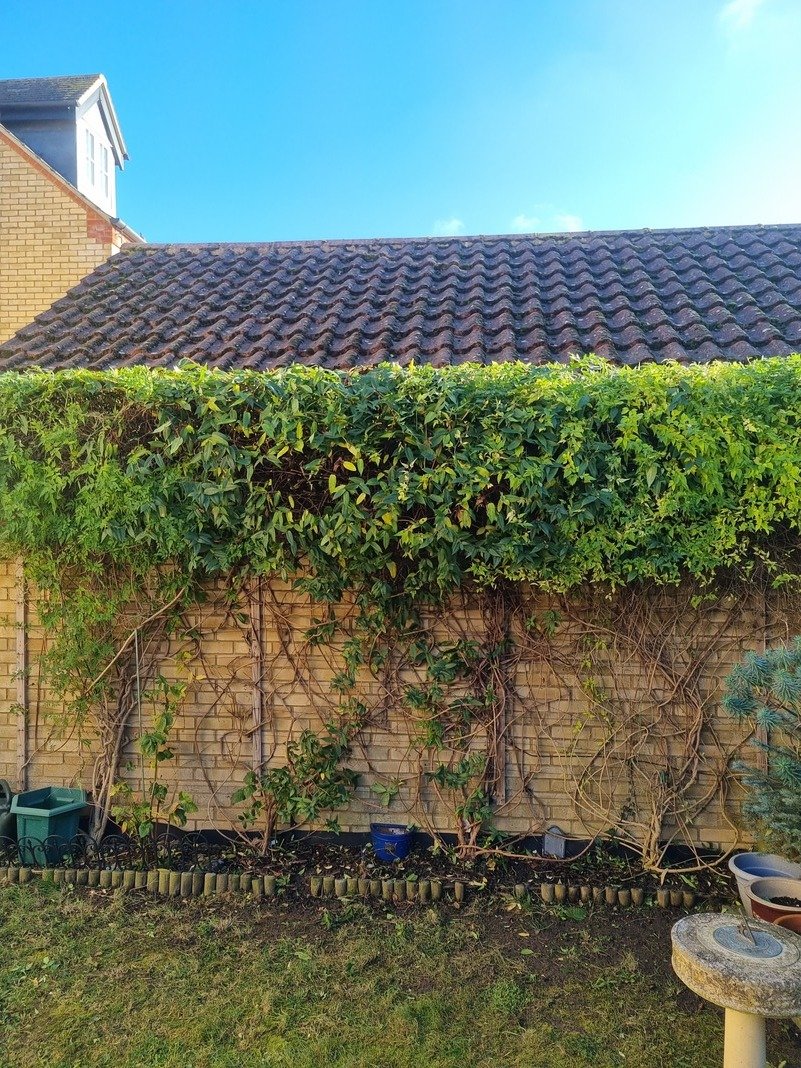
The replace-or-recover decision
Saving a hedge makes sense when enough live growth remains to rebuild shape over time. Replacing a section makes more sense when the hedge has lost the growth it needs to close the gap.
At Treescapes, we look at the hedge type first, then the live growth, soil condition, drainage, signs of pests or disease, access and safe working height. Around Shefford, Stotfold, Henlow and nearby villages, we see many mixed garden boundaries where privacy matters as much as neatness.
A conifer hedge with small brown patches may be worth nursing back, especially if green shoots sit close to the damage. A leylandii hedge with a wide bare face is a different case, because old brown wood is a poor base for recovery. Yew is the main conifer exception, so we treat it with different expectations.
One failed plant in an otherwise healthy hedge does not mean the whole line has to go. Sometimes the honest answer is to replace that plant or section and shape the rest carefully. With box, repeated blight or caterpillar damage may mean ongoing care, or it may push you toward a different hedge choice.
Treescapes Garden Services is a family-run tree surgery and garden services team based in Lower Stondon near Henlow, so our advice is practical rather than dramatic. If a hedge can be saved, we will say so. If trimming will only make a dead section look sharper, we will say that too.
If the hedge still has green growth close to the damage, trim lightly and leave the live growth alone. Hard cutting into brown wood often leaves a gap that does not close again.

The timing and wildlife check
Garden boundary hedges are not the same as agricultural hedgerows. GOV.UK guidance from the Rural Payments Agency says the 2024 hedgerow cutting and trimming rules apply to hedgerows on or next to agricultural land, with an exemption for hedges within the curtilage of a dwelling house or marking that boundary.
Birds still matter in a private garden. If birds, nests or eggs are found, hedge work has to follow Wildlife and Countryside Act responsibilities. In practice, we check before cutting and choose work that fits the hedge condition, the weather and the time of year.
Light recovery care and heavy trimming are separate decisions. A small tidy may be fine at a time when a hard cut would be a poor idea.
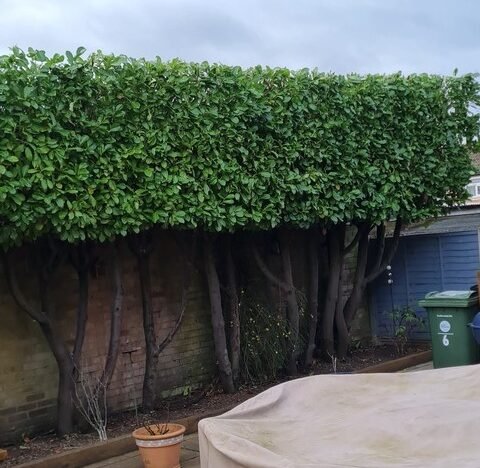
The long-term answer is careful growth
A brown hedge improves only where the plant still has living growth to build from. Fast cutting feels decisive, but the better answer is usually to protect the green that remains and work with the hedge in stages.
Regular, modest shaping keeps a hedge easier to manage than occasional hard correction. That matters most with conifers, where one heavy cut can expose brown wood that has no easy route back.
Good hedge work is part plant care and part practical garden work. The cut has to suit the hedge, the waste has to be cleared properly, and the finished line has to leave you with the privacy and shape that still makes sense for the garden.
The one thing to put first is live growth. Protect that, and every decision after it becomes clearer: wait, trim lightly, reshape slowly or replace the part that can no longer recover.
Tell us about your hedge and we will give you honest advice and a clear price.
Request a QuoteQuestions we get asked about brown hedges
Can watering save a brown hedge?
Watering can support a hedge that is dry and stressed, but it will not bring dead wood back to life. Check the soil first, because wet ground can also make a hedge struggle.
Should I feed a hedge that is turning brown?
Feeding can help a weak plant only if the roots and live growth are still able to respond. It is not a fix for exposed old wood, serious dieback or a hedge that is failing because the roots are sitting in poor conditions.
Will a brown leylandii hedge grow back?
Leylandii usually will not regrow well from old brown wood. If there is green growth close to the damage, careful shaping may help the hedge look better over time, but large bare faces are unlikely to return to a full green screen.
Can one dead hedge plant be replaced without removing the whole hedge?
One failed plant can often be treated as a separate problem if the rest of the hedge is healthy. The fit will depend on the hedge type, the size of the gap and whether the neighbouring plants have enough room and light.
Is it worth trimming a box hedge that has gone bare?
A light tidy may be useful, but the cause matters first. Box blight and box caterpillar leave different clues, so cutting before checking can remove useful signs and fail to deal with the real problem.
This is general information, not professional advice.