What affects your tree removal quote the most?
The main tree removal cost factors are the tree’s size, position, access, risk, waste, stump work and permissions. A fair tree felling quote follows the safe removal method, the time on site, the kit needed and how the garden will be left once the work is finished.
A fair tree felling quote is built from the whole job
You may first notice a tree because it has grown too large, started leaning, dropped branches, blocked light or got in the way of planned garden work. The quote is then based on far more than cutting through the trunk.
Two trees of similar height can need very different work. One might be felled cleanly into open space. Another might need to be dismantled in sections because it sits over a fence, shed or neighbour’s garden. We look at the full job before giving a price, because labour time, equipment, risk, access and clean-up all affect the final figure.
A proper quote should make the main cost drivers clear before work starts, so you know what is included and where any extra work, such as stump grinding, fits into the job.
Size is only the starting point
Size matters, but it does not tell the whole story. Height is one of the clearest reasons a tree removal job costs more, yet the crown, trunk, timber weight and condition can change the method just as much.
Height and spread change the work
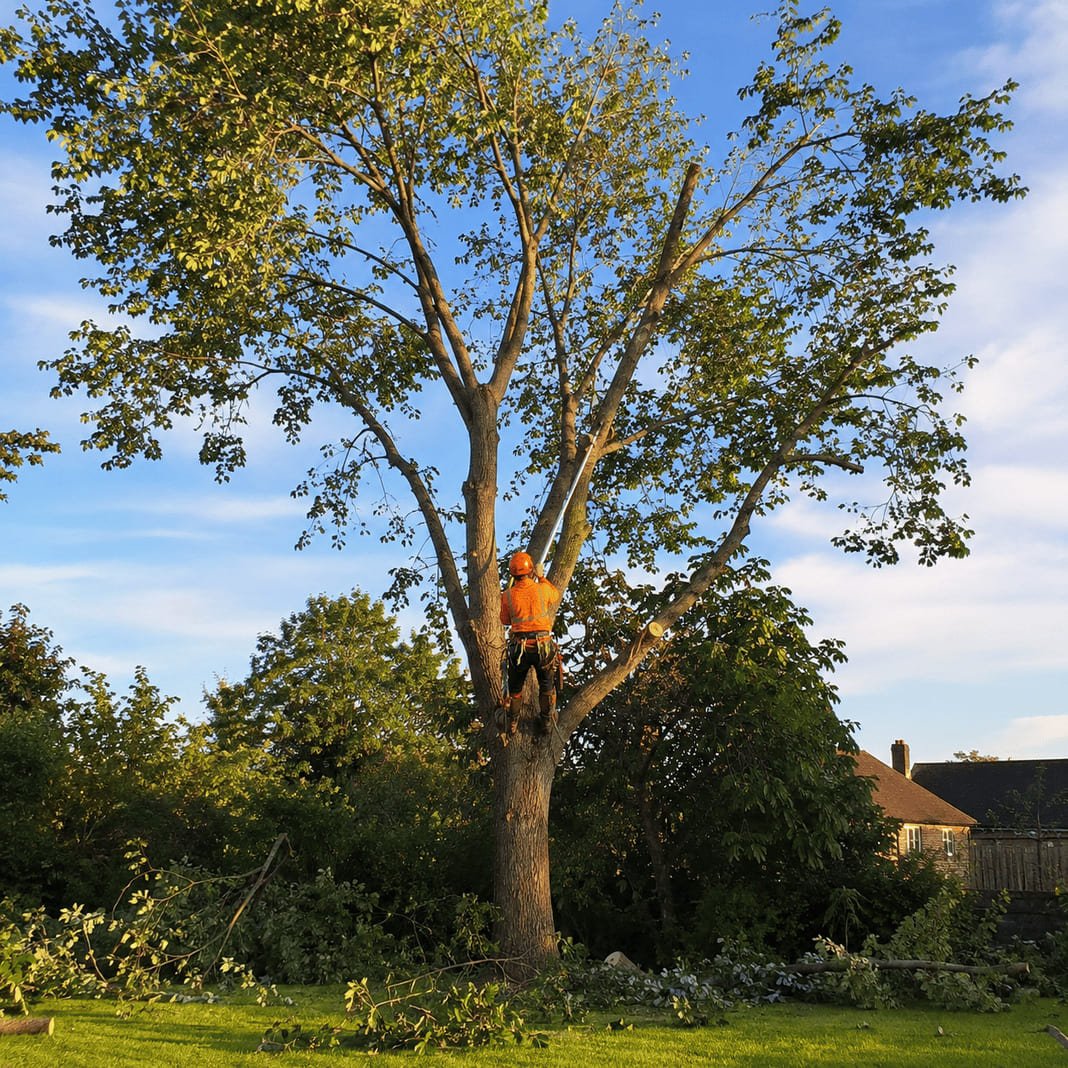
A narrow conifer and a broad garden tree can look similar from a distance, but they can create very different work once we are in the garden. A wide crown can mean more branches to cut and lower and chip. Branches that spread over buildings or fences also reduce the room available for safe cutting.
During a quote, we look at the tree height, crown spread and where each section would go once cut. If there is space to work, the job is simpler. If each limb needs controlled lowering, the job takes longer and needs more kit.
Timber weight and condition change the risk
Heavy timber takes more handling. Deadwood, split limbs, storm damage or a leaning stem can also affect whether the tree can be climbed and cut in the usual way. A qualified arborist will assess the condition before deciding how to remove it.
Section dismantling is slower than a simple straight fell because the tree comes down in planned pieces. That extra time is not guesswork. It reflects the care needed to remove the tree without damaging what sits around it.
We are a family-run team covering North Hertfordshire and Central Bedfordshire. Ask us for a free quote.
Get a Free QuoteThe site often changes the method
Two similar trees can lead to very different quotes if the site around them is different. A tree in open lawn is one job; a tree behind a narrow side gate, over a greenhouse or beside a public road is another.
Access affects nearly every part of the day. If a chipper can get close to the tree, branches can be processed and moved more quickly. If timber has to be carried by hand through a tight route, the work slows down and the clean-up takes longer. Steep ground, wet routes and confined spaces can also limit what equipment can be used.
We look at the access route, the drop zone and what sits under the tree before we price the work. Older gardens around Henlow and North Hertfordshire often have mature planting, narrow paths and shared boundaries, so checking the site first is the clearest way to keep the quote clear.
Ask for the quote to separate tree removal, stump grinding and waste removal. That makes it easier to compare one contractor’s price with another.
Waste and stump work need spelling out
Cutting the tree down is only part of tree felling and removal. Branches, timber, woodchip, sawdust and the stump all need a plan, and the quote should say what happens to each one.
At Treescapes, we make clear what is included before work starts. We are a licensed waste carrier, and we recycle 99% of green and tree waste, which matters when you want the garden left tidy and the waste handled properly.
A clear quote should say whether it includes:
- Branch chipping and green waste removal, or whether some material will stay on site.
- Timber cut and stacked for logs, if you want to keep it.
- Stump grinding. This is separate from cutting the tree down, so do not assume it is included unless the quote says so.
- Final tidy-up, including what happens to sawdust, small offcuts and woodchip.
When those points are written down, you can compare one fair tree surgeon quote with another on the same basis. Without them, a cheaper price can turn into a longer conversation once the tree is already down.
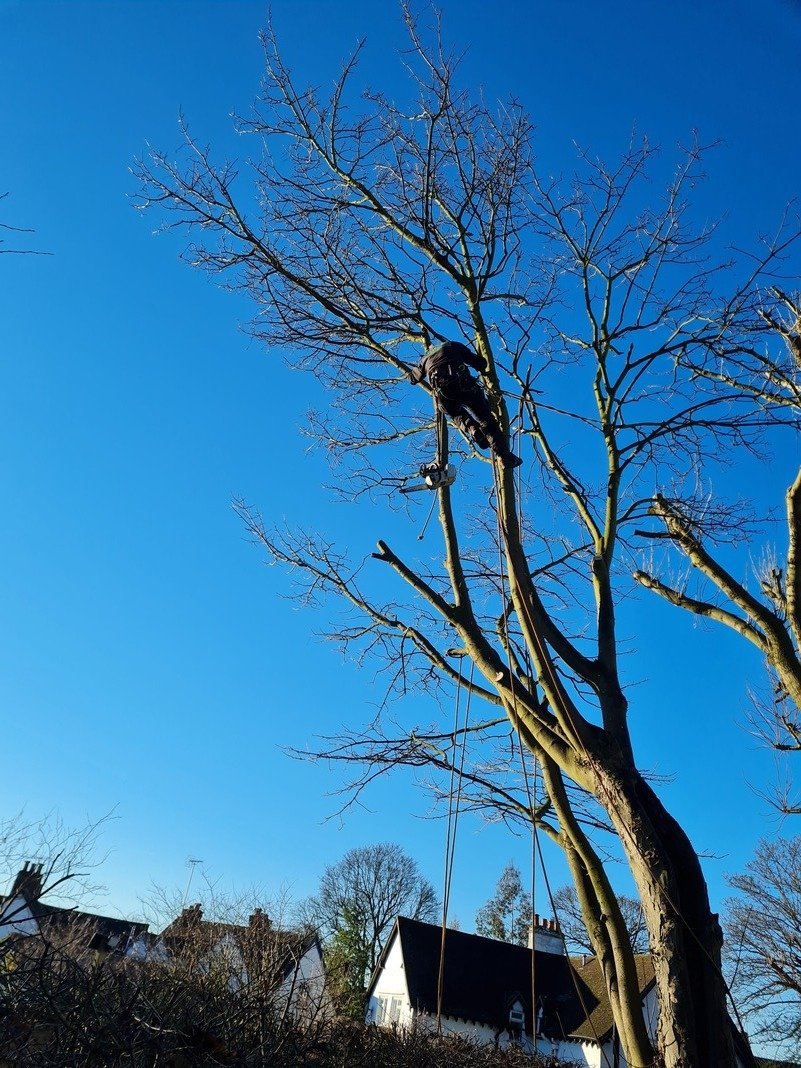
If the tree sits near a fence, shed or neighbour’s garden, mention it when you enquire. Access and lowering space often change the method and the quote.

Rules and site risks can affect timing
When a tree is protected or close to overhead lines carrying electricity, the job may need extra checks before work starts. These checks affect timing and method, so they belong in the quote conversation from the start.
GOV.UK guidance says a Tree Preservation Order, often shortened to TPO, can restrict cutting down, topping, lopping, uprooting, wilful damage or wilful destruction of a protected tree without written consent from the local planning authority. A conservation area can also add a section 211 notice check before certain work. Because we are based in Lower Stondon near Henlow and work across North Hertfordshire and Central Bedfordshire, the right council position needs checking for your address.
Overhead lines carrying electricity need care as well. The Health and Safety Executive, often shortened to HSE, says tree work proposed within 10 metres of those lines needs a risk-based approach and specialist advice from the network operator. If a tree, branch, machine or cut timber could move into that space, the method may need to change.
Checking first is cheaper than untangling a problem after the saws have been packed away.
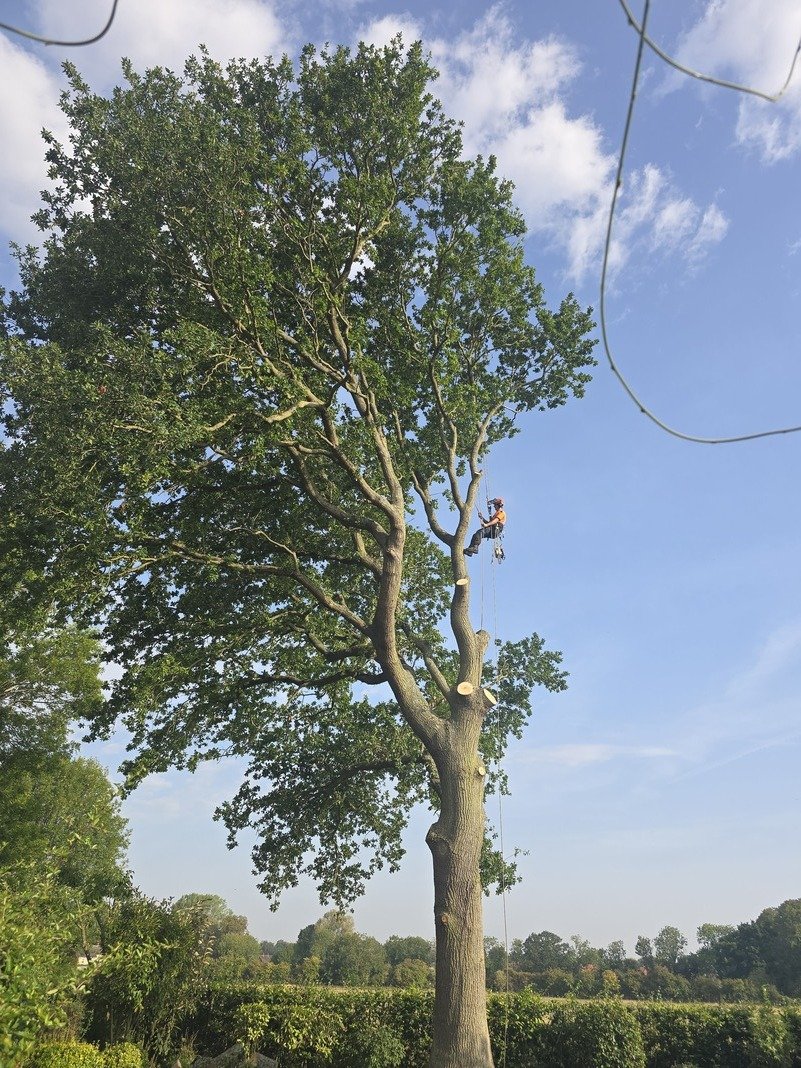
A fair quote may suggest pruning instead
A tree removal quote should sometimes lead to a different decision. If the problem is shade, overhanging branches or a crown that has outgrown the space, pruning, crown reduction, crown thinning or crown lifting may solve the issue without felling the tree.
Removal is still the right answer for some trees, especially where safety, serious damage or poor position leaves no good alternative. Even then, the useful question changes from price alone to the work that is right for the tree, the garden and the people using the space.
At Treescapes Garden Services, we are a family-run team based near Henlow, trading since 1989, and our starting point is to save a tree where practical. A site-based quote should tell you whether the tree needs to go, what the work includes and how the garden will be left. Once that question is answered, the price becomes far easier to judge.
Tell us what you need and we will give you a free, no-obligation quote, usually within 24 hours.
Request a QuoteQuestions we get asked about tree removal costs
Can you quote for tree removal from photos?
Photos help us see the broad issue, but a fair quote normally needs a site visit. Access, nearby structures, waste routes and stump work can change the job once we see the tree in place.
Can I remove a small tree myself?
You may be able to handle light garden work at ground level if the tree is small and clear of buildings. If climbing, large cuts, leaning timber, storm damage or overhead lines carrying electricity are involved, we advise leaving the job to a qualified tree surgeon.
Can I keep the timber after the tree is felled?
You can keep timber if the quote allows for it and the pieces can be left safely on site. The quote should say whether the wood will be stacked, removed or chipped, so nobody is left guessing at the end.
What if the tree is close to a boundary?
A boundary tree can affect access, lowering space and how branches are handled near a neighbouring garden. We look at the site layout before work starts, because small boundary details can change the safest removal method.
Does stump grinding have to happen straight away?
Stump grinding does not always have to happen on the same day as tree removal, but it should be agreed clearly. Leaving the stump may suit some gardens, while grinding it out is better if you want to replant, returf or clear the area.
This is general information, not professional advice.